
South Seattle · Pelvic & orthopedic PT
Pelvic floor physical therapy
Private, one-on-one treatment for bladder and bowel symptoms, pelvic pain, painful sex and prolapse. Common problems, treated with care, by a physical therapist who specializes in pelvic health.

What your pelvic floor does
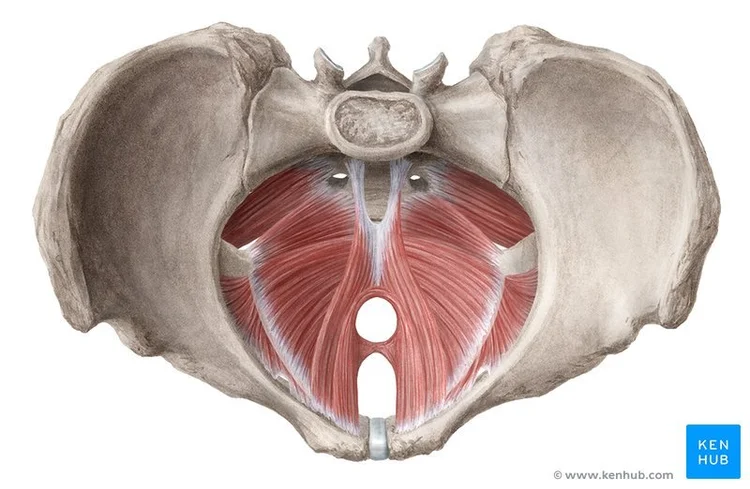
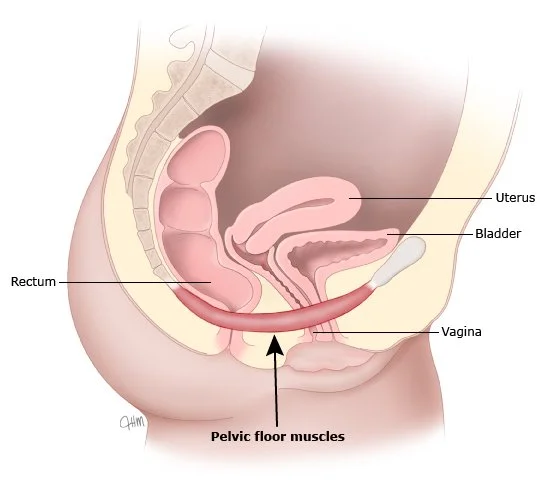
The pelvic floor is a sling of muscles across the bottom of your pelvis. It supports your bladder, bowel and uterus, opens and closes to let you pee and poop, plays a role in sexual function, and works with your diaphragm and deep abdominals every time you breathe, cough, lift or land from a jump.
Like any muscle group, it can be weak, overly tight, painful or poorly coordinated. Pelvic floor physical therapy assesses which of those is happening and treats it.
Not every problem is weakness
Kegels are the advice most people get, and sometimes they're the right tool. But many pelvic floor symptoms come from muscles that are tense and can't relax, not weak ones. Constipation, painful sex, urgency and pelvic pain are often in this group, and extra Kegels can make them worse.
Your plan might be strengthening, learning to relax and lengthen, or improving timing and coordination. Most people need some combination.
Conditions we treat
Stress incontinence
Leaking with coughing, sneezing, laughing, running or jumping. Supervised pelvic floor muscle training is the recommended first-line treatment.
Urgency & frequency
Sudden urges, frequent trips or not making it to the bathroom in time. Bladder retraining and urge-control strategies help reset the pattern.
Constipation & bowel symptoms
Straining, incomplete emptying, or leakage of gas or stool. Treatment covers relaxation, toileting position, breathing and habits.
Pelvic organ prolapse
Heaviness, pressure or a bulge in the vagina. Strength, pressure management and activity changes can reduce symptoms and keep you active.
Pain with sex or tampons
Including vaginismus and vulvar pain. Gentle, consent-led care to reduce pain and rebuild comfort, at your pace.
Tailbone & pelvic pain
Coccyx pain, pelvic girdle pain, or deep pelvic and lower abdominal pain that hasn't had answers.
Leaking in athletes
Running, jumping and heavy lifting put high demands on the pelvic floor. Leaking during sport is common and treatable.
Perimenopause & menopause
Hormone changes can bring new urgency, dryness, pain or leaking. PT works alongside care from your medical provider.
What happens at your first visit
We know a pelvic floor appointment can feel intimidating. You're in control of every part of it.
- A private conversation about your symptoms, bladder and bowel habits, pregnancies, activity and goals
- An external assessment of your posture, breathing, hips, back and abdominal wall
- An optional internal exam to assess pelvic floor strength, tension and coordination. It's only done with your consent, and you can pause or stop at any time.
- A plan you understand, with a home program you can start that day
You're welcome to bring a support person.
How we treat it
- Pelvic floor muscle training for strength, endurance or relaxation, depending on what you need
- Down-training and breathing for overactive or painful muscles
- Hands-on treatment of the pelvic floor, abdomen, hips and back
- Bladder retraining and urge-suppression techniques
- Bowel habits, toileting position and straining strategies
- Graded return to running, lifting and impact without leaking
- Dilator guidance for pain with penetration, when appropriate
Pelvic floor PT FAQs
Is an internal pelvic exam required?
No. An internal exam gives useful information about strength and tension, but it is always optional and only done with your consent. Many people make good progress with external assessment and treatment.
Do I need to have had a baby to see a pelvic floor PT?
No. Pelvic floor problems affect people who have never been pregnant, including athletes, people with constipation or pelvic pain, and people in perimenopause and menopause.
Should I just do Kegels?
Not necessarily. Kegels help when muscles are weak, but many symptoms come from muscles that are too tight or poorly coordinated, and Kegels can make those worse. An assessment shows which approach fits you.
How many visits will I need?
It depends on your symptoms and goals. We review progress at every visit and adjust the plan, and many people notice changes within a few weeks of consistent home practice.
Does insurance cover pelvic floor therapy?
Alpenglow PT is out of network. We provide a superbill you can submit for out-of-network reimbursement, and HSA, FSA and HRA cards are accepted.
Other ways we can help
 Pregnancy & postpartumPrenatal care, birth prep and recovery after baby
 Orthopedic & running PTRunning injuries, gait analysis and sports rehab
Ready to stop planning your day around your bladder?
5224 Wilson Ave S, Suite 102, Seattle, WA 98118, near Seward Park · Monday–Thursday by appointment · (425) 780-7533