Meet Lindsay
Pelvic & orthopedic PT, founder of Alpenglow PT
Lindsay is a licensed physical therapist specializing in orthopedic and pelvic PT. She graduated from San Diego State in 2016 with an undergraduate degree in Athletic Training and went on to pursue a degree in Physical Therapy at Rocky Mountain University of Health Professions, graduating in 2022.
She has experience treating patients from many different backgrounds and stages of life, each bringing their own experiences, goals, and challenges to therapy. She adapts her treatment based on these factors, while encouraging continued activity and movement throughout the rehab process.
She is passionate about treating the prenatal and postpartum populations and helping these patients return to the activities they love most while navigating pregnancy and postpartum.
She has completed specialized continuing education focused on the evaluation and treatment of runners, including running gait analysis and in addition, has experience as a running coach. She’d love to help you become a stronger and more resilient runner, whether you’re training for your first 5k or you’re an experienced marathon runner.
Lindsay enjoys most things outdoors including running, hiking, climbing and camping with her pals and fam.
Pelvic Health
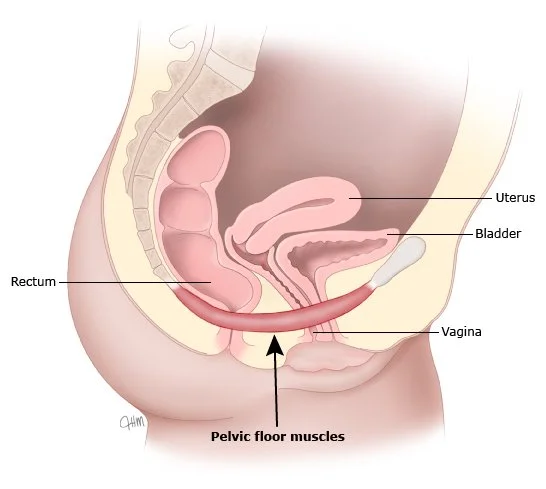
What is the pelvic floor?
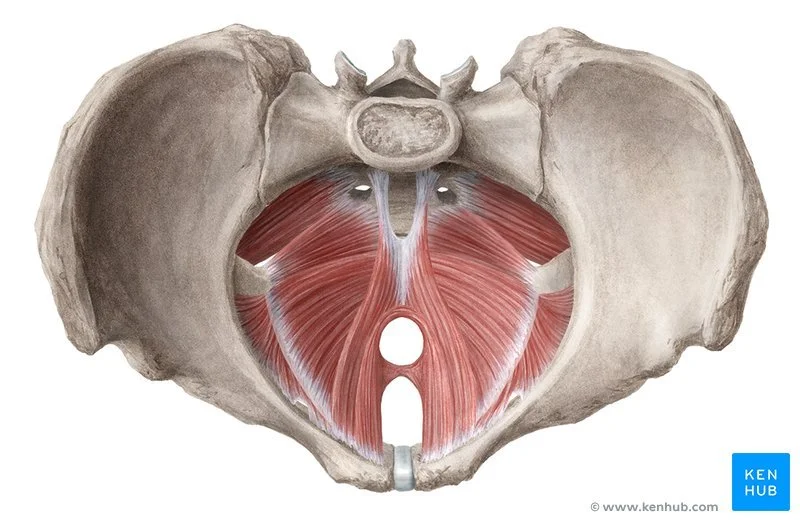
The pelvic floor is a group of muscles that sits within the pelvis and plays an important role in how your body moves and functions. These muscles help support your pelvic organs, contribute to bladder and bowel control, support sexual function, and work alongside your core and breathing muscles to provide stability during everyday movement and exercise. Like any other muscle group, the pelvic floor can become weak, tight, painful, or uncoordinated—and physical therapy can help restore its strength, mobility, and function.
Common pelvic health conditions:
Urinary stress and/or urge incontinence
Urinary urgency and/or frequency
Pelvic organ prolapse
Tailbone, low back or pelvic pain
Vaginismus
Constipation
Pain with intercourse, penetration, tampon use, or pelvic examinations
Pregnancy-related pelvic girdle, pubic symphysis, hip, or low-back pain
Diastasis recti and abdominal weakness
Postpartum recovery
Common symptoms associated with pelvic health conditions:
Leaking urine with coughing, sneezing, jumping, running, or exercise
A sudden or frequent urge to urinate or difficulty making it to the bathroom
Pelvic pressure, heaviness, or a sensation of bulging
Pelvic, vaginal, vulvar, tailbone, or lower abdominal pain
Pain with intercourse, tampon use, or pelvic exams
Difficulty emptying your bladder or bowels
Constipation or frequent straining with bowel movements
Bowel leakage or difficulty controlling gas
Abdominal separation or difficulty reconnecting with your core
Pain or difficulty returning to exercise, running, or other activities
Pregnancy-related pelvic, hip, low-back, or pubic bone pain